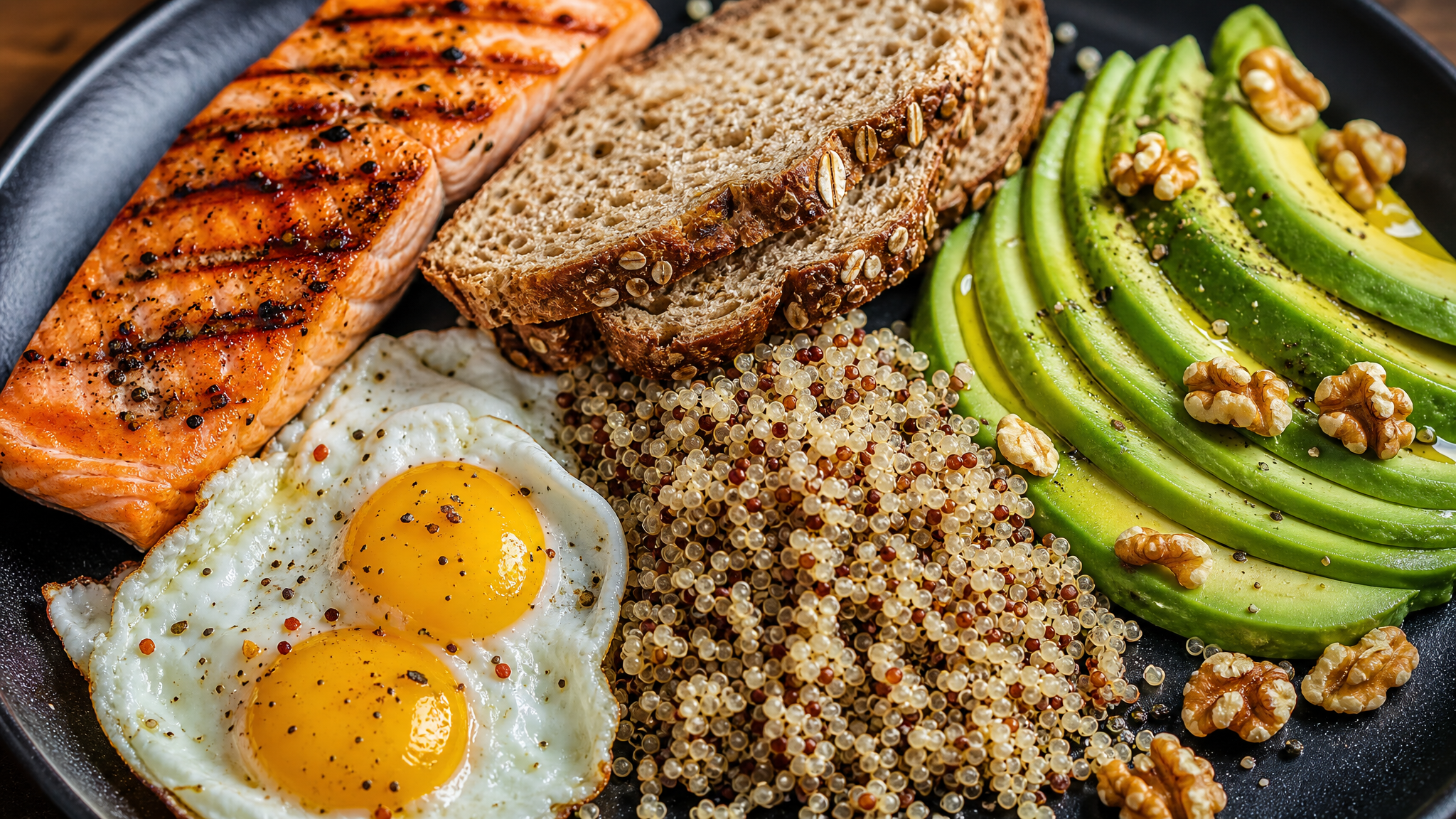
If you’ve spent any time in the fitness world, you’ve likely heard the phrase, “If it fits your macros” (IIFYM) or been told to “track your macros.” But what does that actually mean?
For years, diet culture preached that all you needed to do to lose weight was eat fewer calories. While a caloric deficit is the fundamental driver of weight loss, counting calories alone won’t dictate how you look, feel, or perform. That is where mastering macro nutrition changes the game.
Whether your goal is to shed body fat, build lean muscle, or maximize athletic performance, understanding and applying macro nutrition is the most effective, data-driven approach to transforming your physique.
Here is the definitive, science-backed guide to macro nutrition to help you bridge the gap between your physical goals and your daily execution.
What is Macro Nutrition?
Macro nutrition refers to the strategic tracking and balancing of macronutrients—the three primary nutritional categories that provide your body with caloric energy. Everything you eat is made up of a combination of these three macronutrients:
- Protein: Provides 4 calories per gram.
- Carbohydrates: Provides 4 calories per gram.
- Fats: Provides 9 calories per gram.
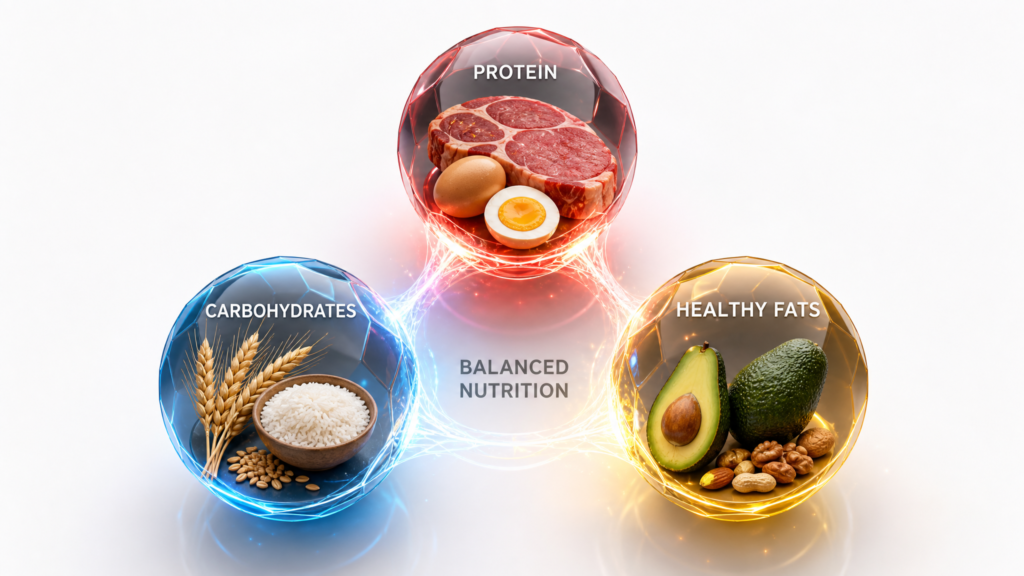
While total calories control the scale (whether your overall body weight goes up or down), your macro nutrition breakdown determines your body composition—specifically, the ratio of fat to muscle that you lose or gain.
- Protein: The Building Block of Muscle: When it comes to altering your body composition, protein is the most critical macronutrient. It is responsible for building, repairing, and maintaining lean tissue. During a calorie deficit (when you are trying to lose weight), your body is prone to burning muscle for energy. A high-protein macro nutrition strategy prevents this. According to the International Society of Sports Nutrition (ISSN) Position Stand, physically active individuals need between 1.4 to 2.0 grams of protein per kilogram of body weight to optimize exercise training and maintain muscle mass. Furthermore, protein has a high thermic effect of food (TEF), meaning your body burns more energy digesting protein than it does digesting fats or carbohydrates.
- Carbohydrates: The Ultimate Energy Source: Carbohydrates often get a bad reputation in fad diets, but in the realm of performance macro nutrition, they are vital. Carbs are converted into glucose, which is stored in your muscles and liver as glycogen. This glycogen is your body’s preferred and most efficient fuel source during high-intensity training. A comprehensive review published in the National Institutes of Health (NIH) emphasizes that carbohydrate availability is the primary limiting factor in prolonged, intense aerobic and anaerobic exercise. If your macro nutrition plan severely restricts carbohydrates, your gym performance, recovery rate, and overall energy levels will inevitably suffer.
- Fats: The Hormone Regulator: Dietary fats are incredibly dense, packing 9 calories per gram, which is why portion control is essential. However, cutting fats too low is a massive mistake. Fats are crucial for the absorption of fat-soluble vitamins (A, D, E, and K), joint health, brain function, and most importantly, hormone production. A pivotal study in the Journal of Steroid Biochemistry and Molecular Biology found that low-fat diets significantly decrease testosterone levels in men, which can stall muscle growth and reduce energy. A balanced macro nutrition approach ensures you get enough healthy fats (like avocados, nuts, and olive oil) to keep your endocrine system thriving.
Macro Nutrition vs. Calorie Counting: Why Quality Matters
Let’s look at an example: Two people are eating 2,000 calories a day.
- Person A eats 2,000 calories of donuts and fast food (low protein, high trans fat, high refined carbs).
- Person B eats 2,000 calories via a strict macro nutrition plan (high protein, complex carbs, healthy polyunsaturated fats).
Both may lose the same amount of weight on the scale if 2,000 calories is a deficit for them. However, Person A will likely lose valuable muscle, retain stubborn body fat, and feel lethargic. Person B will preserve lean muscle mass, burn stored body fat, and have consistent energy levels. This is the physiological power of macro nutrition.
How to Start Tracking Your Macros Today
Transitioning to a macro-based diet doesn’t have to be overwhelming. Here is a simple framework to get started:
- Assess Your Metrics: You need to calculate your Total Daily Energy Expenditure (TDEE) based on your age, gender, height, weight, and activity level.
- Define Your Goal: Are you looking to cut fat, bulk up, or maintain? Your goals dictate your macro split (e.g., 40% protein, 40% carbs, 20% fats).
- Use a Precision Tool: Trying to do the math manually leaves room for error. You need a data-driven blueprint tailored to your specific biomechanics.
Ready to stop guessing and start seeing results? At ZFD Training, we believe in bringing your fitness vision to life through structured, actionable data. Take control of your diet today and find out exactly what your body needs to succeed.
👉 Click here to use the Zerep Macro Calculator to generate your customized macro nutrition plan in seconds.